 Golden State Robotics
Golden State Robotics
Building the next generation of problem solvers.
Golden State Robotics is a California nonprofit. We help students in grades K-8 build coding, problem solving, and engineering confidence using hands-on technology they can program and understand. Our first program is a drone coding pilot for 3rd graders in 2027.
Programs
Hands-on tools, one clear mission.
Our mission stays the same: give students meaningful hands-on experience with coding and problem solving. We are starting with one grade and one program, and growing toward grades K-8 as our curriculum, staffing, and funding allow.
Drone Coding
Launching 2027 · Pilot for Grade 3 only
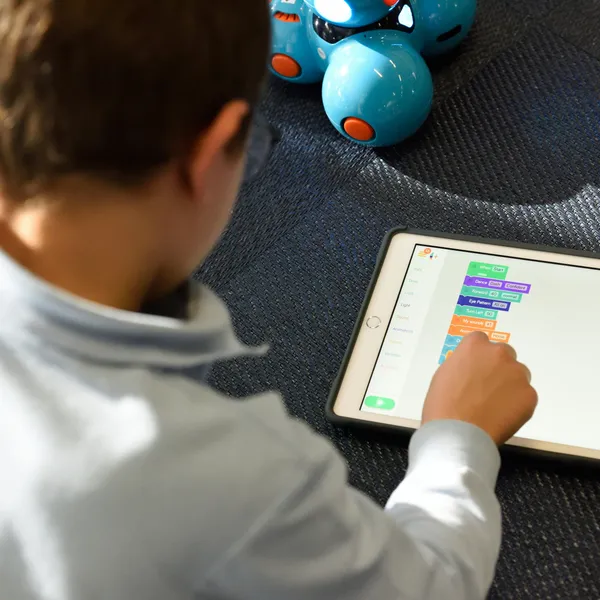
A small founding cohort uses visual, block-based code to plan, test, and run missions with lightweight indoor drones.
Brick-Based Robotics
In development
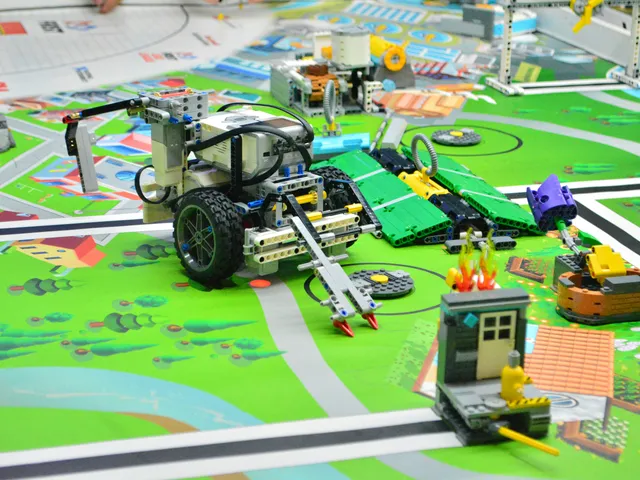
We are exploring a second program built around block coding and snap-together robotics kits. It will be announced only once funding and curriculum are in place.
Our founding program
The 2027 Drone Coding Pilot
A small founding cohort of 3rd graders will take part in 2027. What we learn will shape every program that follows.
Who it’s for
The first cohort is for 3rd grade students only. Expanding to serve grades K-8 is our long term goal.
What students do
Students use visual, block-based code to plan, test, debug, and run programs that make a real drone take off, navigate, and land.
What they learn
Age-appropriate lessons in coding, sequencing, logic, spatial reasoning, and debugging, taught through real drone missions.
When it starts
The pilot begins in 2027. Families on the interest list hear about it first, and we will share the details as they are set.
Safety by design
The program is being designed around small, lightweight drones intended for indoor use, small groups, structured flight procedures, and adult supervision.
Why drones first
A visible result for every line of code.
It is an early, age-appropriate introduction to the coding and problem solving behind real technology.
Problem-solving
Every program and every flight is a chance to test, observe, and debug.
Collaboration
Students work in teams to plan, test, and improve drone missions together.
Confidence
Watching code you wrote make a real drone move turns an abstract idea into a first win.
Early exposure to STEM
Drones are used in emergency response, agriculture, mapping, construction, and media, so the ideas connect to real work.
About
Why we’re building this.
Science gets very little time in the early grades
In the most recent national survey to measure this, students in grades K through 2 averaged 17 minutes of science instruction per day, and students in grades 3 to 5 averaged 23 minutes. Reading and math each got three to five times as much.1
And it is often not hands-on
In that same survey, fewer than half of science classes did any hands-on or laboratory activity in their most recent lesson. That held true in elementary classes (47%) and middle school classes (46%) alike.1
Interest in science fell among 8th graders between 2019 and 2024
Between 2019 and 2024, the share of 8th graders reporting high interest and enjoyment in science fell from 38% to 28%. Reaching students earlier, before interest falls, is part of why we start in the elementary grades.2
Our approach
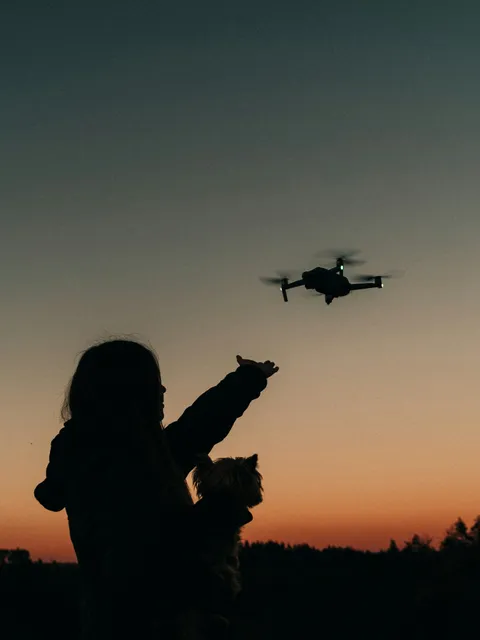
Drones are an engaging, hands-on way to teach coding and engineering thinking to young students, combining visual coding, problem solving, and the immediate feedback of flight.
Starting small, on purpose
Our first cohort is intentionally small, a pilot program for 3rd graders launching in 2027, so we can learn, refine, and grow responsibly from there.
Our team
Founding team
Golden State Robotics was founded by Glenn Gonda, a software engineer with over a decade of professional experience at SF Bay Area tech companies. He started this after his son wanted to learn to program and fly drones, but couldn't find a program that was the right fit. Glenn has four years of experience teaching technical courses, has led coding workshops, and has mentored early-career engineers through various programs and organizations. He has also coached youth football and basketball.
We are assembling our founding board now. If you have experience in education, youth programs, nonprofit governance, finance, or STEM, learn more about joining our board.
Roadmap
Building toward our 2027 pilot
We are early, and we would rather show you exactly where we stand than imply we are further along than we are.
Organization founded
Golden State Robotics is incorporated as a California nonprofit. We are working toward 501(c)(3) recognition.
Building the founding board
We are recruiting board members with backgrounds in education, youth programs, nonprofit governance, and STEM.
Curriculum, safety, and equipment selection
Selecting and adapting an established curriculum aligned to education standards, along with safety procedures and equipment for our first cohort.
The 2027 Drone Coding Pilot launches
Our founding cohort of 3rd graders writes code that makes real drones fly.
Measure what happened, then share it
We plan to track student engagement, family and educator feedback, how well our safety procedures held up, and growth in coding confidence. We will publish what we learn, including what does not work.
Refine and expand
We use what we learn from the first cohort to reach more students, more grade levels, and more classrooms.
Get involved
There are many ways to help.
Golden State Robotics is just getting started, and every family, school, and supporter who joins us now helps shape what we build.
For Families
Join our interest list to follow the pilot as it takes shape. It is not an application and does not reserve a seat.
For Schools
Interested in bringing this program to your students? We would love to talk with you.
For Supporters
Early gifts help fund curriculum selection and adaptation, equipment, safety planning, and the work required to launch a small first cohort.
Support our mission
Help build the foundation for what we're creating.
Early gifts help fund curriculum selection and adaptation, drone equipment, safety planning, and the work required to launch a small first cohort. We will share progress as those decisions are made.Secure online giving is coming soon. For now, email us for directions on donating. Golden State Robotics is a California nonprofit. Please consult a tax adviser about the treatment of any contribution.
Stay connected
Join the interest list or get in touch.
Our 2027 pilot is planned for a small founding cohort of 3rd graders. Joining the interest list keeps you updated and helps us gauge interest. It is not an application or guarantee of participation. Schools, donors, and prospective board members can use the same form.
Sources
- 2018 National Survey of Science and Mathematics Education (NSSME+), Horizon Research, Inc., 2019, elementary and middle school reports. Based on a national probability sample of public and private schools. Horizon Research is conducting the next round in 2027.Back to text
- National Center for Education Statistics,2024 NAEP Science Assessment, Grade 8, national probability sample. Figures reflect the percentage of students reporting high interest and enjoyment in science. This is a 2019-to-2024 change among 8th graders; it does not describe a grade 4 to grade 8 trajectory.Back to text